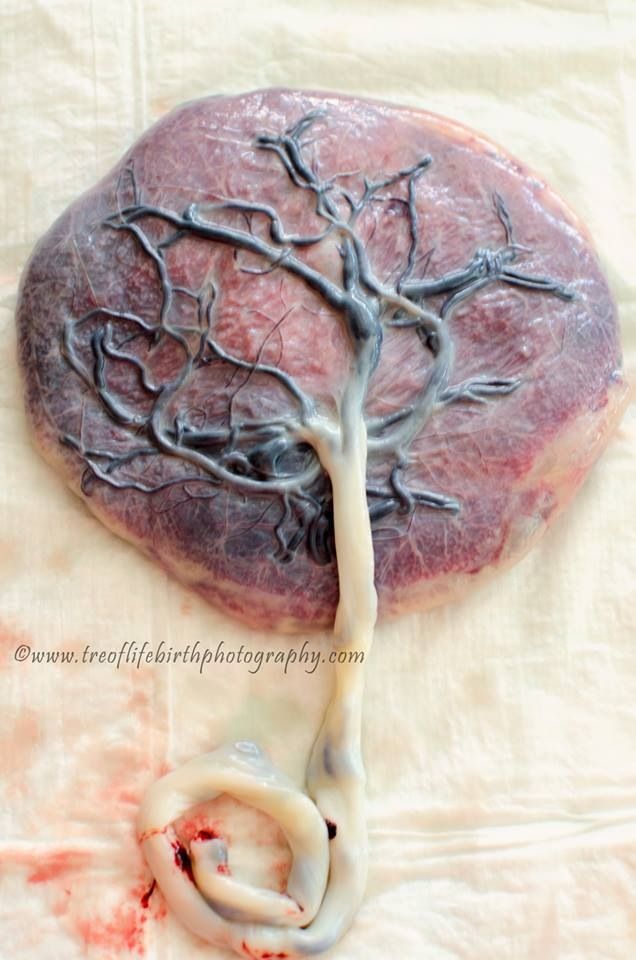
Lotus Birth/Placenta
What can you do with your placenta?
- Leave it with the hospital or midwife, where it will be treated as biohazardous waste.
- Plant it and grow a tree above it.
- Use the fresh or frozen placenta in a smoothie.
- Encapsulate it or make a tincture.
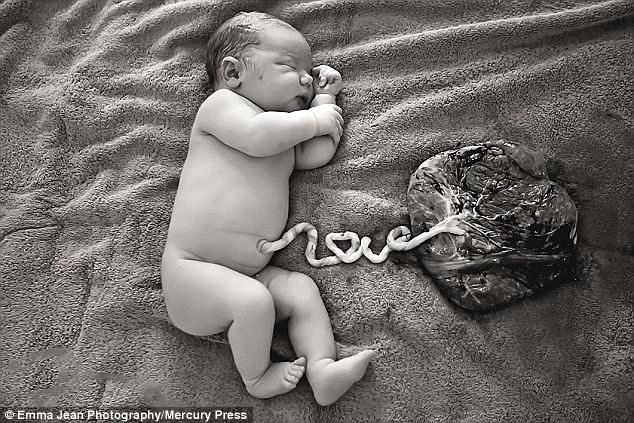
- Choose a partial or full lotus birth.
- For some parents, watching their newborn being passed from one visitor to another during the first days can be difficult. A baby who remains attached to the placenta is naturally harder for friends and family to pick up, which may help protect that early bonding time.
- In the womb, a baby is warm, comfortable, continuously nourished, and surrounded by the sound of the mother’s heartbeat. Ultrasounds show babies interacting with their umbilical cords. I once read an article about crocheted octopuses being given to premature babies for comfort. Some people view lotus birth as a way to help a baby transition more gently into the outside world.
- Another reason some families consider it is to encourage rest for the new mother. Rest can be difficult after birth, even though taking things slowly during the postpartum period may support recovery. Carrying both the baby and the placenta makes moving around more complicated. I was especially bad at resting after my daughter was born—I simply could not stay in bed. I am not particularly hyperactive, but I always feel the need to get things done. My midwives urged me to spend the first week in bed, getting up only to use the bathroom or shower, and I was not allowed to climb the stairs. It was so difficult for me. Having my daughter attached to the placenta would certainly have made moving around much harder.